

Commercial real estate brokerage is the professional practice of facilitating the buying, selling, and leasing of income-producing properties. In North Idaho, these firms bridge the gap between local market data and complex transaction structures. Kelly Right Real Estate, represented by Guye Blood, provides specialized guidance for business owners navigating the region's unique commercial landscape. Understanding the operational differences between local and national firms is critical for securing favorable terms in 2026. For additional details, review the Contact Php.
Regional Market Dynamics and Economic Drivers
North Idaho's commercial market is heavily influenced by its geographic position and industrial base. The region serves as a critical logistics hub connecting the Pacific Northwest to the broader western United States. This geographic advantage drives consistent demand for distribution centers and industrial space. Businesses in the area often prioritize proximity to major transportation corridors when selecting commercial locations. For additional details, review the Index.
The economic stability of the region is supported by a diverse mix of industries, including agriculture, technology, and healthcare. This diversity helps mitigate the risks associated with single-industry dependency. Commercial brokers in this area must understand these specific economic drivers to provide accurate valuation and strategic advice. The interplay between local supply and regional demand creates a dynamic environment for property investment. For additional details, review the Elk.
Licensing, Standards, and Professional Requirements
Commercial real estate license is a state-issued credential that authorizes an individual to engage in the business of buying, selling, or leasing commercial property for compensation. In Idaho, the Idaho Real Estate Commission oversees the licensing process and enforces professional standards. All commercial brokers must maintain active licenses and comply with continuing education requirements. This regulatory framework ensures a baseline of professional competence and ethical conduct.
Beyond basic licensing, commercial brokers often pursue additional designations to demonstrate specialized expertise. These credentials signal proficiency in areas such as valuation, investment analysis, or property management. The presence of such designations can be a useful indicator of a broker's depth of knowledge. However, license status is the fundamental requirement for any legal commercial transaction.
Service Models and Brokerage Structures
Service offerings can also vary significantly between firms. Some brokerages focus exclusively on transactional services, while others provide comprehensive property management and investment advisory services. Clients should clearly define their needs before selecting a brokerage. Aligning the firm's service model with your specific objectives is crucial for a successful partnership.
Valuation Methods and Investment Analysis
Commercial property valuation is the process of determining the fair market value of a commercial asset based on its income potential, physical characteristics, and market conditions. Unlike residential properties, commercial values are primarily driven by the income the property generates. This fundamental difference requires a distinct analytical approach from brokers and appraisers. Accurate valuation is essential for both buyers and sellers to make informed decisions.
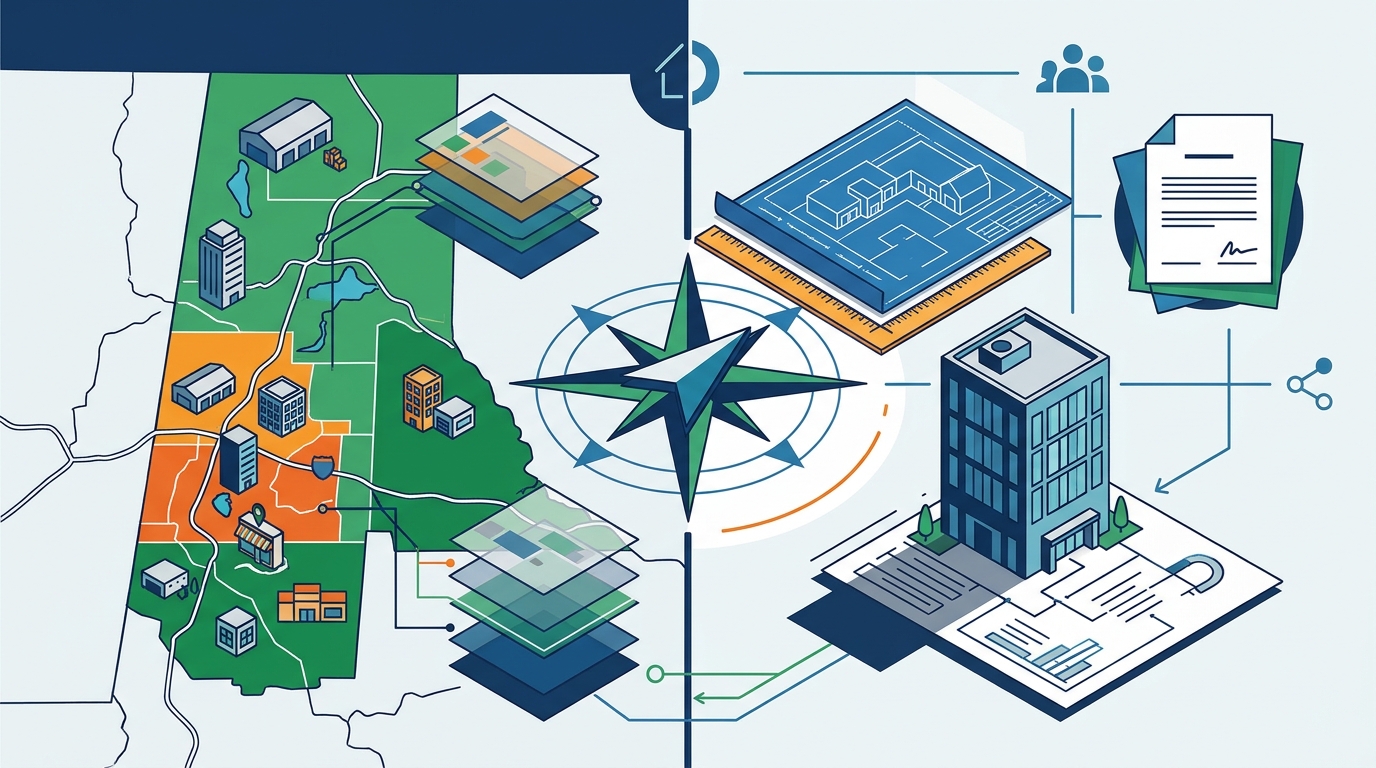
The Value of Local Expertise in North Idaho
Understanding local zoning and land use regulations is a critical component of this expertise. Commercial properties are subject to specific use restrictions that can limit their potential. A broker familiar with local planning departments and regulatory processes can help clients navigate these complexities. This guidance is particularly important for development projects or properties intended for specific industrial or commercial uses.
Community relationships also play a vital role in commercial real estate. Brokers with strong ties to local business owners, developers, and municipal leaders can facilitate smoother transactions and identify off-market opportunities. These relationships are built over time and represent a significant asset for a local brokerage. Clients benefit from this network when seeking tenants, buyers, or partners for their commercial ventures.
Key Takeaways
- Commercial real estate brokerage is the professional facilitation of transactions for income-producing properties.
- North Idaho's market is driven by its role as a regional logistics and industrial hub.
- Idaho Real Estate Commission licensing is the fundamental requirement for all commercial brokers.
- Brokerage structures vary from independent local offices to national network branches, each with distinct advantages.
- Valuation of commercial property is primarily based on income potential rather than physical characteristics alone.
- Local expertise in zoning, community relationships, and market trends provides a significant competitive edge.
- Aligning a brokerage's service model with your specific transaction goals is essential for success.
Frequently Asked Questions
What is the primary difference between commercial and residential real estate brokerage?
Commercial brokerage focuses on income-producing properties where value is driven by financial performance, while residential brokerage focuses on personal use properties where value is driven by location and features.
How do I verify if a commercial broker is licensed in Idaho?
You can verify license status through the Idaho Real Estate Commission's public database, which lists all active licensees and their disciplinary history.
What is a capitalization rate in commercial real estate?
A capitalization rate is a metric used to estimate the value of an income-producing property by dividing its net operating income by its current market value.
Do commercial brokers in North Idaho work with national clients?
Yes, many local brokerages work with national investors and corporations, leveraging their local expertise to facilitate transactions in the region.
What is the role of a commercial property manager?
A commercial property manager handles the day-to-day operations of a property, including tenant relations, maintenance, and financial reporting, on behalf of the owner.
How long does a typical commercial transaction take to close?
Commercial transactions typically take longer than residential deals, often ranging from 60 to 120 days, depending on the complexity of the due diligence process.