
Licensing and Legal Requirements
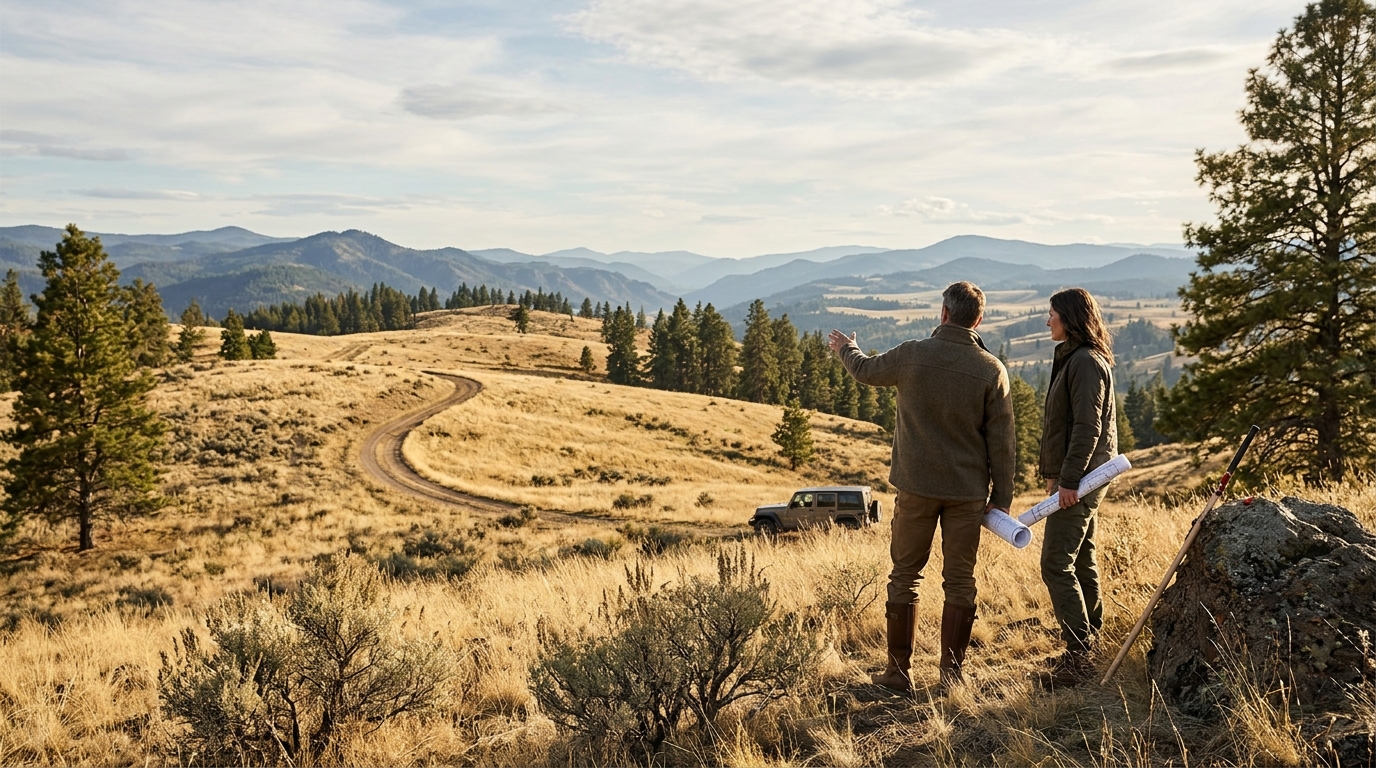
Real estate brokerage is a regulated profession in both Washington and Idaho. In Washington, a broker must be licensed under chapter 18.85 RCW and licensed with a real estate firm, which also must be licensed, according to RCW 18.86.120. This legal framework ensures that the professionals guiding your land transaction are vetted and accountable. In Idaho, the tourism and real estate sectors are often supported by regional organizations that promote alignment with state marketing initiatives, as noted by Visit Idaho. Understanding these regulatory boundaries helps you verify the credentials of any agent you hire. A land broker is a licensed professional who facilitates the buying, selling, and leasing of undeveloped land. You should always verify a broker's license status with the state Department of Licensing before signing any agreement. This step protects you from unlicensed activity and ensures professional standards are met. For additional details, review the Just a moment.
Market Analysis and Valuation
Zoning and Utility Access
Zoning determines what you can build on a piece of land, making it a primary concern for buyers. In North Idaho, local jurisdictions have specific rules regarding setbacks, lot sizes, and building types. A land broker is an expert who navigates these local ordinances to ensure your intended use is permitted. Utility access is another critical factor that affects both usability and value. You must confirm whether water, sewer, and electricity are available or if you will need to install wells and septic systems. These costs can be substantial and should be factored into your budget. A broker can help you identify these constraints early in the process. They can also advise on the feasibility of connecting to municipal services versus private infrastructure. This due diligence prevents costly surprises after the purchase is complete. For additional details, review the Houses to Homes Realty.
Negotiation and Contracting
Key Takeaways
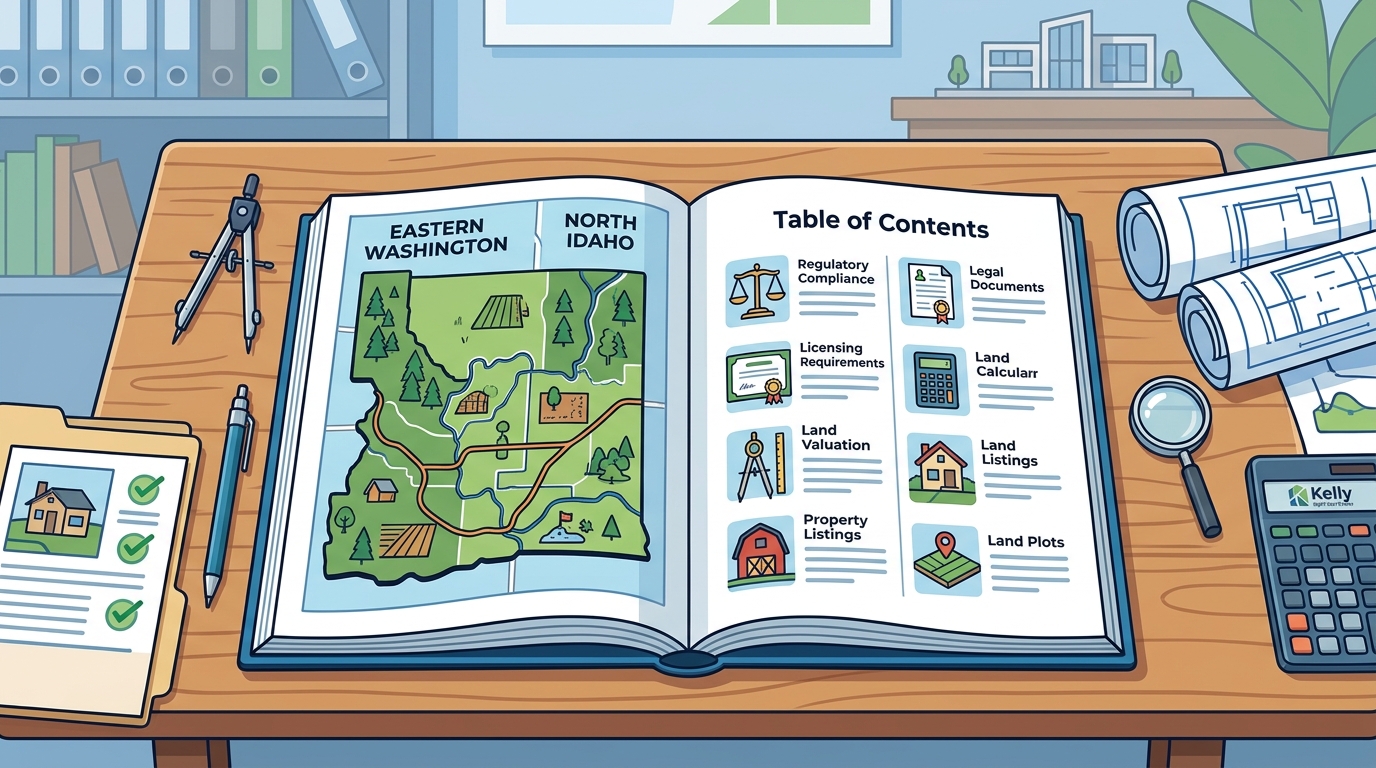
- Verify that your broker is licensed with the state Department of Licensing in both Washington and Idaho. For additional details, review the .
- Request a comparative market analysis to establish a realistic property value. according to Resources and publications For additional details, review the Customer Experience.
- Confirm zoning regulations and utility access before making an offer. For additional details, review the Frequently Asked Questions.
- Use a professional to negotiate contract terms and manage the closing process.
- Understand that land valuation is complex and requires local expertise.
- Ensure all advertising and representations comply with state real estate laws.
Frequently Asked Questions
What is a land broker?
A land broker is a licensed real estate professional who specializes in the transaction of undeveloped land, including buying, selling, and leasing.
Do I need a broker to buy land?
While not legally required, using a licensed broker is highly recommended to navigate zoning, valuation, and contract complexities.
How is land valued in Eastern Washington?
Land is valued using a comparative market analysis that considers recent sales, zoning potential, and utility access. according to Tourism Landscape The
What are the licensing requirements in Washington?
Brokers must be licensed under chapter 18.85 RCW and affiliated with a licensed real estate firm.
Can I sell land without a broker?
Yes, sellers can advertise their own property, but they must comply with state advertising guidelines and fair housing laws.
What is a CMA?
A CMA is a comparative market analysis, which is an oral or written report of a property value prepared by a broker.